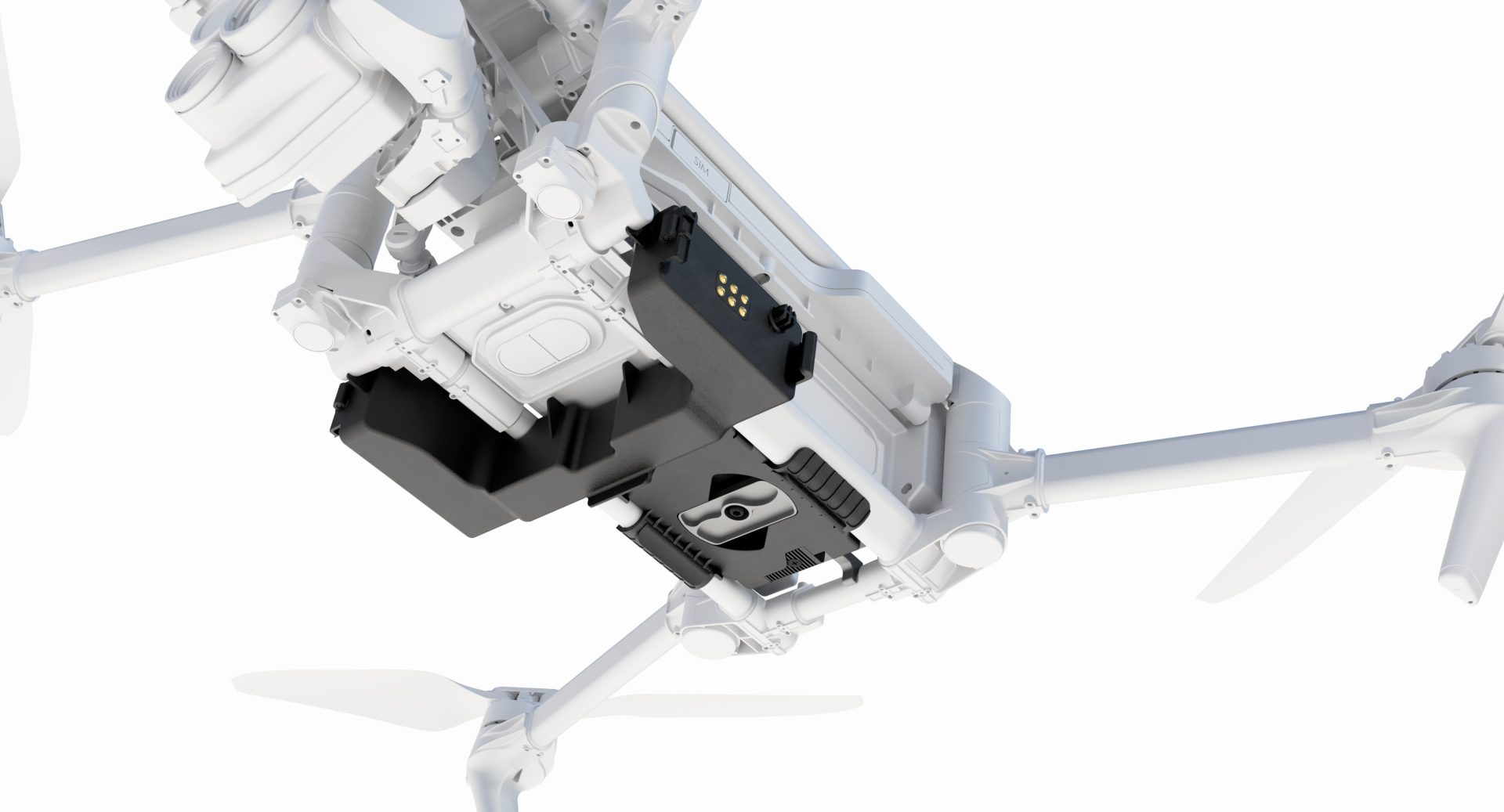
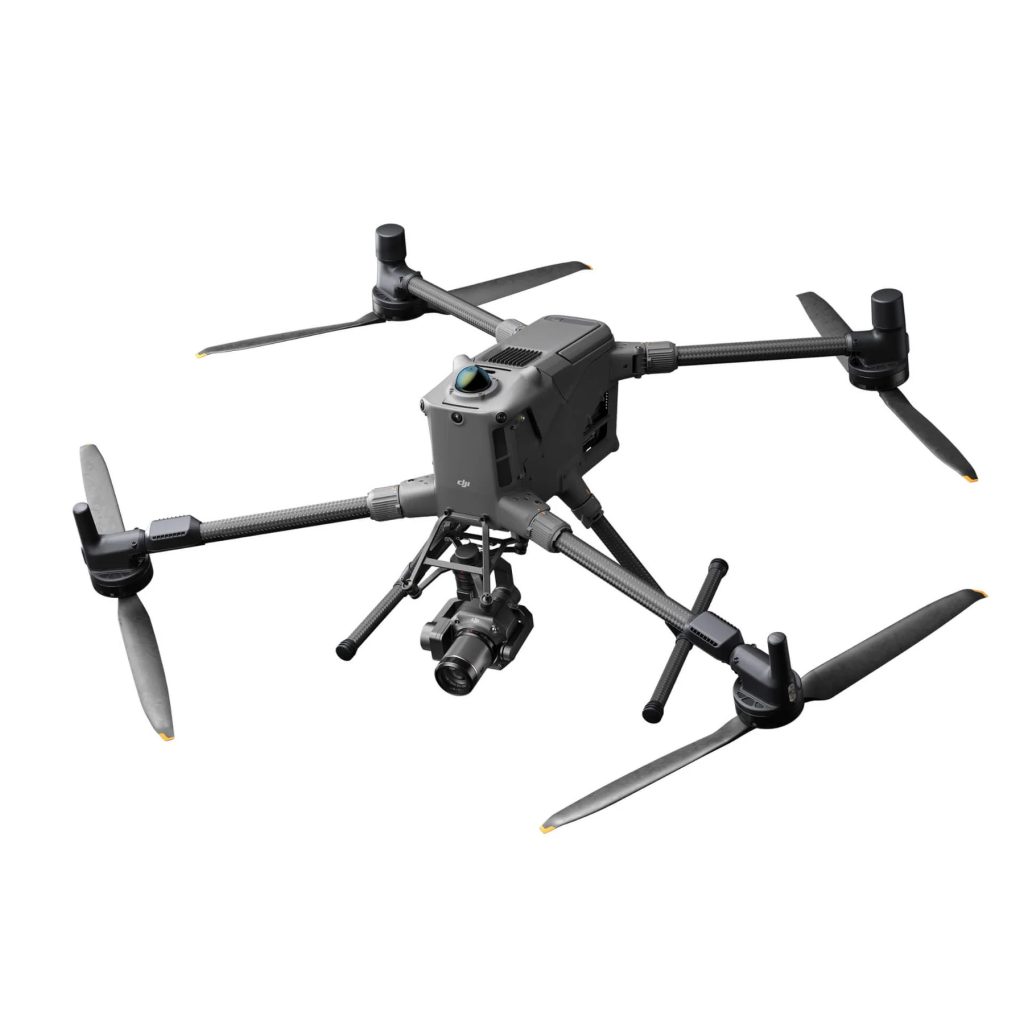
On November 28th, DJI announced the launch of the much-anticipated Phantom 5 drone. Based on the popular Phantom 4 Pro the new model takes the same path as DJI’s most recent launch the Mavic 2 by offering a choice of image sensing equipment.
This addresses one of the biggest complaints commercial operators have with the Phantom 4 Pro. Namely that its restricted payload options limited its use for videography applications. This is not surprising since the Phantom 4 platform was initially designed as a hobbyist drone.
By making a wider range of camera and lens options available along with improving the drone’s flight performance characteristics. DJI has made the Phantom 5 drone more appealing to commercial operators.
So in this blog, we are going to look at how the new Phantom 5 stacks up against the established Phantom 4 Pro. We’ll examine the new camera options on the Phantom 5 and we’ll talk about the drone’s upgraded performance. This should help you make a decision as to whether it’s worth upgrading your old Phantom 4 Pro for the new model.
Download Our FREE RPC-L1 Guide
Understand everything you need to know about moving towards commercial drone operations with our RPC-L1 guide.
- Understand what RPC-L1 is and who it is for
- Learn how the CAA transition impacts operators and training routes
- Get a clear breakdown of requirements, costs and next steps

Related Posts
Should you switch to drones? Historic England reveals all…
We’re pleased to announce that Gary Young, Geospatial Analyst at Historic England will be joining us at the COPTRZ Live Drone Demo Day 2020 on the 5th of March in Rugby. Championing England’s Heritage, Historic England has used drone acquired imagery since 2008 and has built up long experience of using such platforms alongside other […]
DJI Issues Firmware Updates For TB50 And TB55 Batteries
Updates Address Small Number Of Batteries Reporting Incorrect Power Levels November 16, 2018 – New firmware updates are now available for users of TB50 and TB55 batteries to enhance the battery management system and optimize power supply during flight. DJI implemented this measure following reports that a small number of TB50 and TB55 batteries have […]

Overview of drone capabilities and their potential risks
As drone technology becomes ever more capable and easier to use, the number of drones flying globally is set to triple over the next three years. Data from the Federal Aviation Authority (FAA) suggests that the number of hobby drones operating will increase from 1.10 million to between 2.75 and 4.47 million. The number of […]